Meet the 2020 BLUE Fellows
Nicole Perkins
BSc: Biochemistry + BA: Philosophy
My project is titled Free Body Problems: a play-on-words with the physics phrase while examining dynamics of human bodies and the choices they (may, can, do) make. The project was originally proposed as an exploration of bodily autonomy in choice-limited settings, particularly systems of incarceration. While that is retained as a component and case study, the lens has broadened to the ways our bodies influence our perceptions of our world and the ways our world influences what we (choose to) do with our bodies.
Bior Ajak
BA: Economics and International Development Studies
I would like to explore the possibilities of reinventing refugee camps, socially and economically – focussing on Kenya’s two refugee camps. The preliminary title of my project would be, “How can we reinvent refugee camps to remove their perpetual limbo state?” The idea is that refugee camps tend to be these confined spaces that lie between the dangers one is fleeing from, and the freedoms that one seeks but doesn’t quite get. Thus, a state of limbo. I want to explore this space and any potential room for improvements.

Aldin Ardian & Galih R. Suwito
PhD Mining and Materials Engineering
Quantum Theory for Mining Businesses Evaluation
Quantum theory is the fundamental theory in physics that describes nature at the tiniest scales. The quantum theory is formulated to accommodate distinct concepts that are not presence in classical theory, namely: quantization, wave-particle duality, and uncertainty principle. In this formulism, the state of a system at a given time is described by a complex wave function that allows for the calculation of probabilities of outcomes of concrete experiments. Quantum mechanical model can potentially be applied for mineral economics, especially for mining project evaluation where quantification of project uncertainties such as ore grade and price are very important for the businesses. Moreover, the quantization assumption is potentially valid for a popular economical parameter, which is net present value (NPV). In this research, we aim to develop a model employing wave mechanics for quantifying uncertainties in mining businesses. Incorporating the results into a mine business evaluation technique results a new perspective to observe risks in the mining industries.

Kim Abi Zeid Daou
PhD
On Storytelling: An exploration of memory reconsolidation, temporal perception, and narrative identity
My project is an exploration of storytelling through researching alternate perceptions of time and uncovering dynamic processes of reconstructing stories and memories. Our narrative identity is of clusters and themes, of various shapes, none of them resembling a line. Similarly, memory is not linear; it’s dynamic and ever-changing. Even past events can be reconstructed when recalled, interacting with present cognitions and emotions. Our narratives do not follow a line, we are a series of oscillations, moving left to right, forward and backward, toward and away from any center point. How can stories be different if not limited to specific conceptions of time? How are we limiting our creativity by confining our memory reconsolidation and narrations to linear plots? How can perception affect storytelling, and story-telling affect perception? My project will use clinical psychology, cognitive neuroscience and an examination of my artistic processes and disseminate findings through a multimedia art exhibition.
Patrick Timmer
BA: Finance, Strategy, Computer Science
Idiosyncrasies of Us
In his work Camera Lucida (La chambre claire), Roland Barthes introduces the term punctum to describe a kind of meaning derived from an experience. It is found beyond the meaning derived from a relation of the experience to typical topics and issues in society (Barthes calls this studium). My reading of punctum is that it is deeply personal and perhaps entirely idiosyncratic. In the words of Barthes, it “wounds” and “stings”. It dwells in the details and the unintended. It is initially unexplainable and unintelligible. To me, the idiosyncratic behavior of persons is a punctum. I am always captivated by the uniqueness of gesture that each individual exhibits. This behavior is rarely perceived consciously yet is somehow still incorporated into one’s impression of an individual, implying that such behavior is in fact perceived, although not always consciously. I inquire: can the exposure to, and perhaps the conscious perception of, idiosyncratic behavior be elevated through a relocation of the focus of the perceiver? How might this be accomplished? Would a successful relocation of focus cause a perceiver to derive more punctum, more meaning from the behavior of a person and thus the person itself? I wish not to simply speculate on the answers to these questions; I must also, in some sense, live out the answers. Thus, the culmination of this project will be a manifestation of its content – an enactment.

Alexander Dieplam
MA: School of Religious Studies
How can we best approach the multifaceted nature of Buddhist traditions within the confines of academia? I am an MA student in the School of Religious Studies at McGill, and my project explores the theme of "discipline" present in Buddhist discourses throughout time and space. I will draw from a variety of sources, ranging from Gandhāran inscriptions to postmodern treatises, and examine how they interact with one another to shape our perception and understanding of Buddhist traditions.
Claudia Raihert
BA: French Literature and Linguistics

It is not settled yet within the scientific community whether autistic children have a category-learning impairment. Studies have shown that, while children with ASD can form categories based on rules, they have trouble doing so based on prototypes. However, no experiment has been carried out on the abstraction of prototypes in people with autism. Research has found, though, that autistic children tend to focus on random rather than important, ‘meaningful’ cues – this is called ‘stimulus overselectivity’. I would like to design an experiment in order to see if participants with ASD hierarchize features during category-learning, and if they do, how so. The results could help shed light on both the phenomena of overselectivity and impaired prototype-abstraction in people with ASD. This project is a first step towards a revised approach to helping autistic children deal with novelty and generalize information, two problems which are common across the entire spectrum.

Florestan Brunck
MA: Mathematics
Teaching Mathematics Through (Video) Games and Puzzles
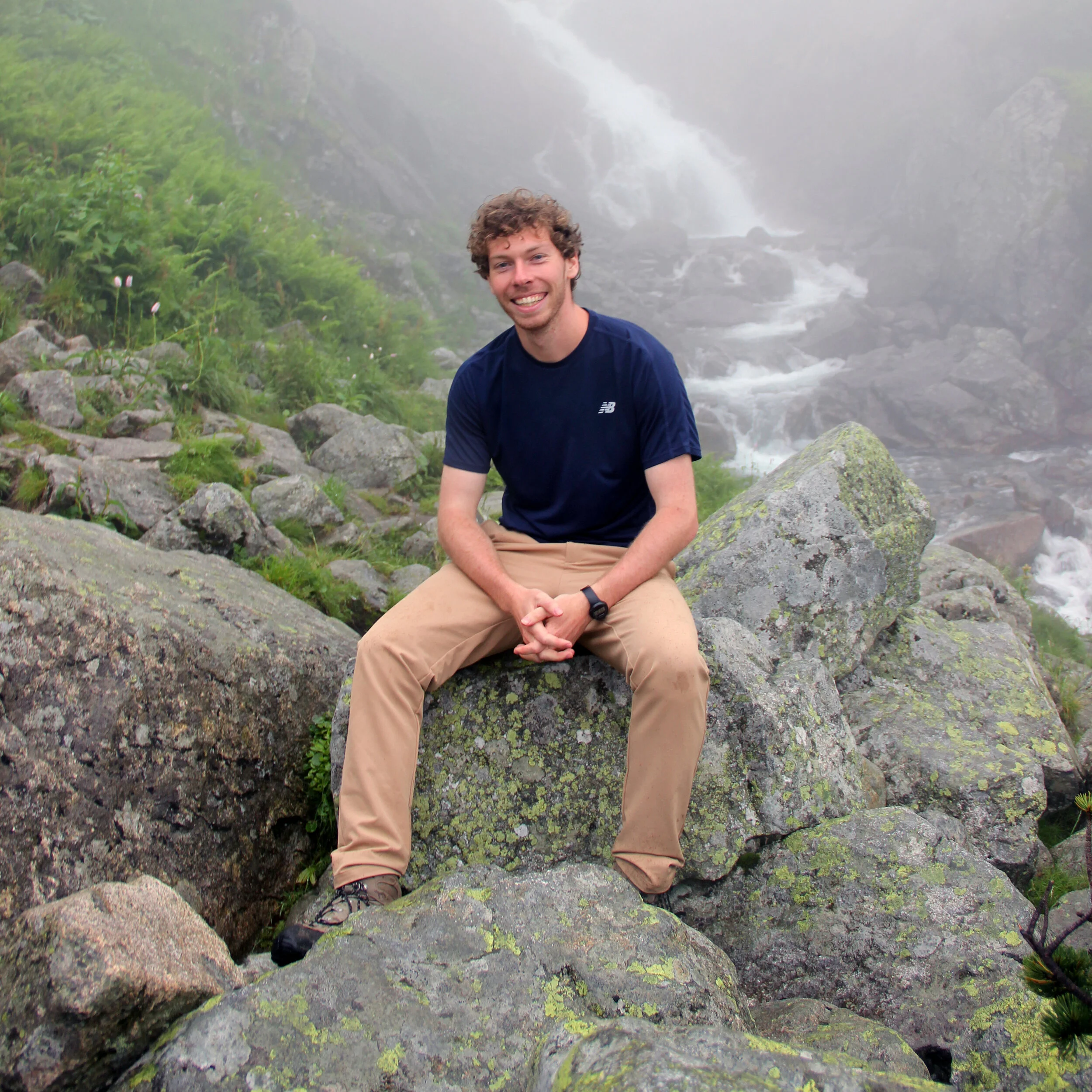
The goal of my project is to produce new ways and new devices to teach mathematics, be it short films, graphic novels, video games or physical puzzles. Very little thought is spent on pedagogy in mathematics, especially in higher education and at more advanced levels. Assimilating and mastering mathematical concepts is one of the hardest cognitive tasks that humans can perform. Unfortunately, the inherent difficulty of the subject is quite often paired with a total lack of incentive and a characteristic dryness that sometimes almost completely drown out the beauty and elegance of the subject. Conventional teaching methods are perhaps effective for a small subset of students but in my opinion go completely against our innate ways of learning and playing with things. On the opposite, we are wired to care about narratives, stories and games. Utilizing the reward systems and powerful directives that we naturally have for the latter to teach difficult concepts is something I haven't really seen anywhere yet. Engineering stories, videos games or puzzles that transport us in a context where the motivation for learning difficult concepts is natural is what I would like to achieve.
Aiden Drake
BA/Bsc: Cognitive Science
Quantitative Models of Opinion
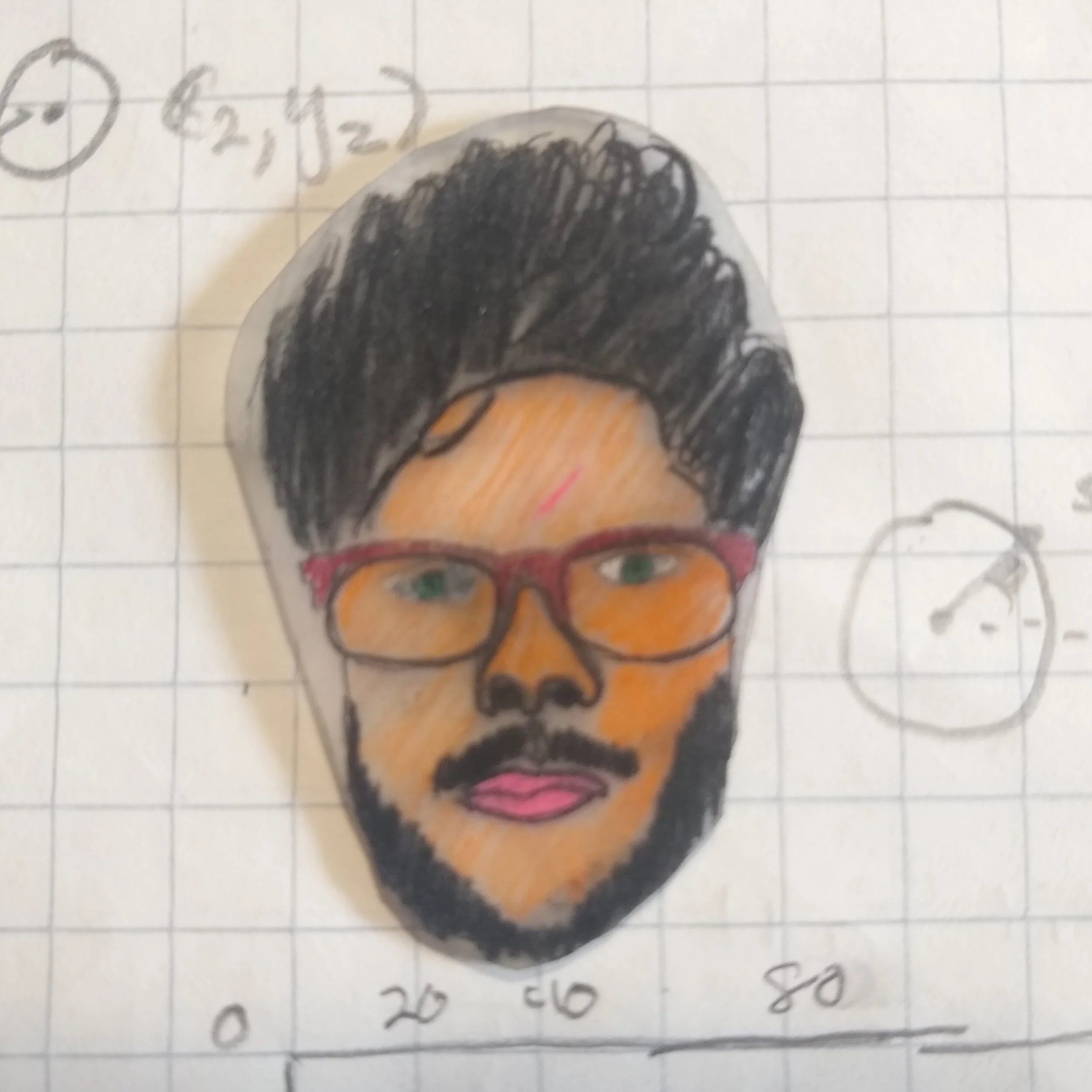
I'm a U3 Cognitive Science student, with a focus on computer science and philosophy. My project is an attempt to understand the spread of opinions in online and offline social networks using quantitative (math-based) models. I want to research existing quantitative models for the spread of opinion in social groups, particularly those that could describe patterns seen in modern social media. Physics, biology, epidemiology, applied mathematics, and economics have produced these models, with little dialogue between disciplines. I also want to bring these models into a common framework for comparison and evaluation. Part of this project is to build visualizations for the models so that I can better understand and communicate their consequences. I also want to scrutinize the explicit and hidden assumptions models make to pare reality down to a set of equations. Can any model "fit" the complexity of social interactions in a meaningful way?
April Lee
BA/BSc: Cognitive Science
(De) Localization of Knowledge
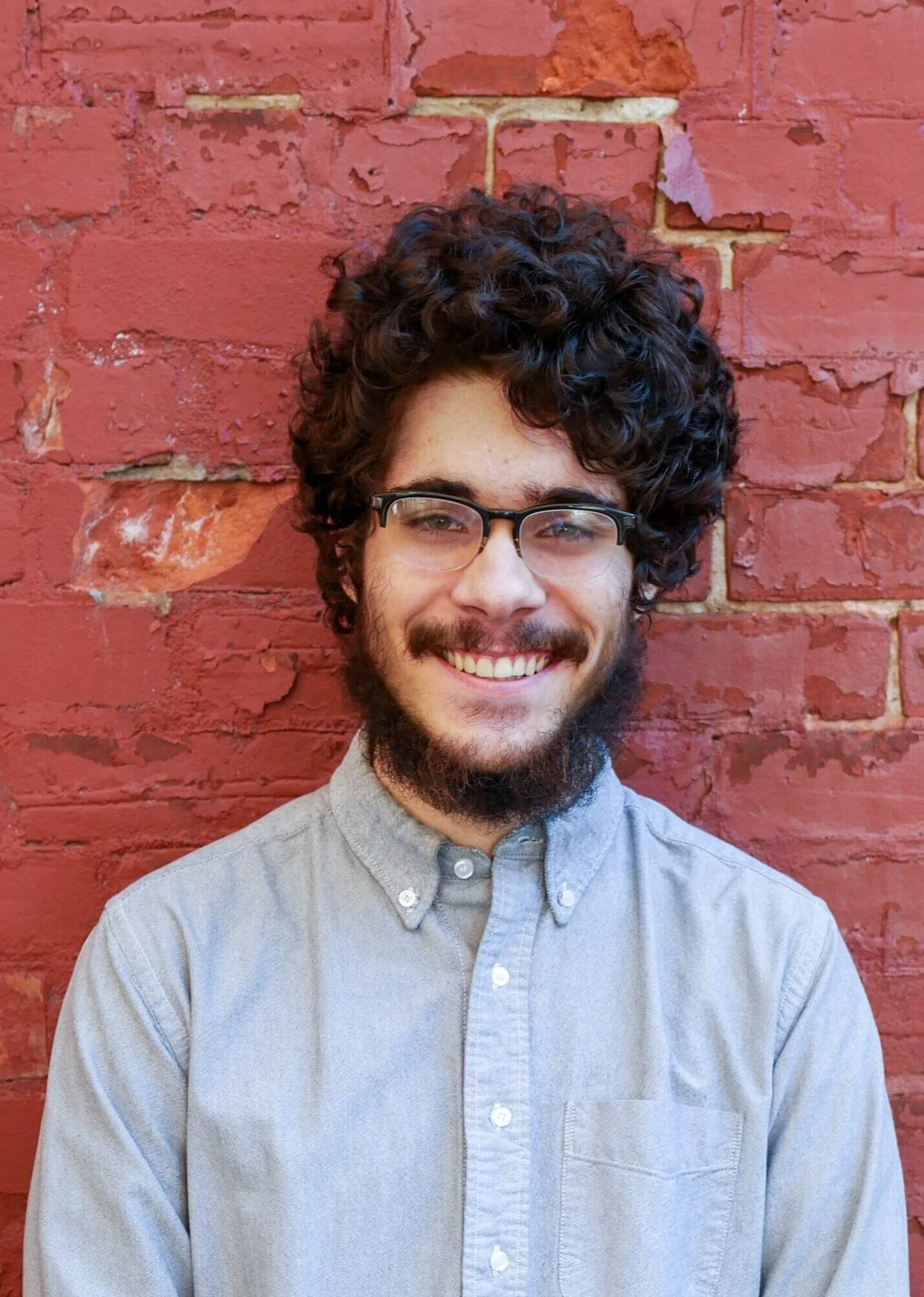
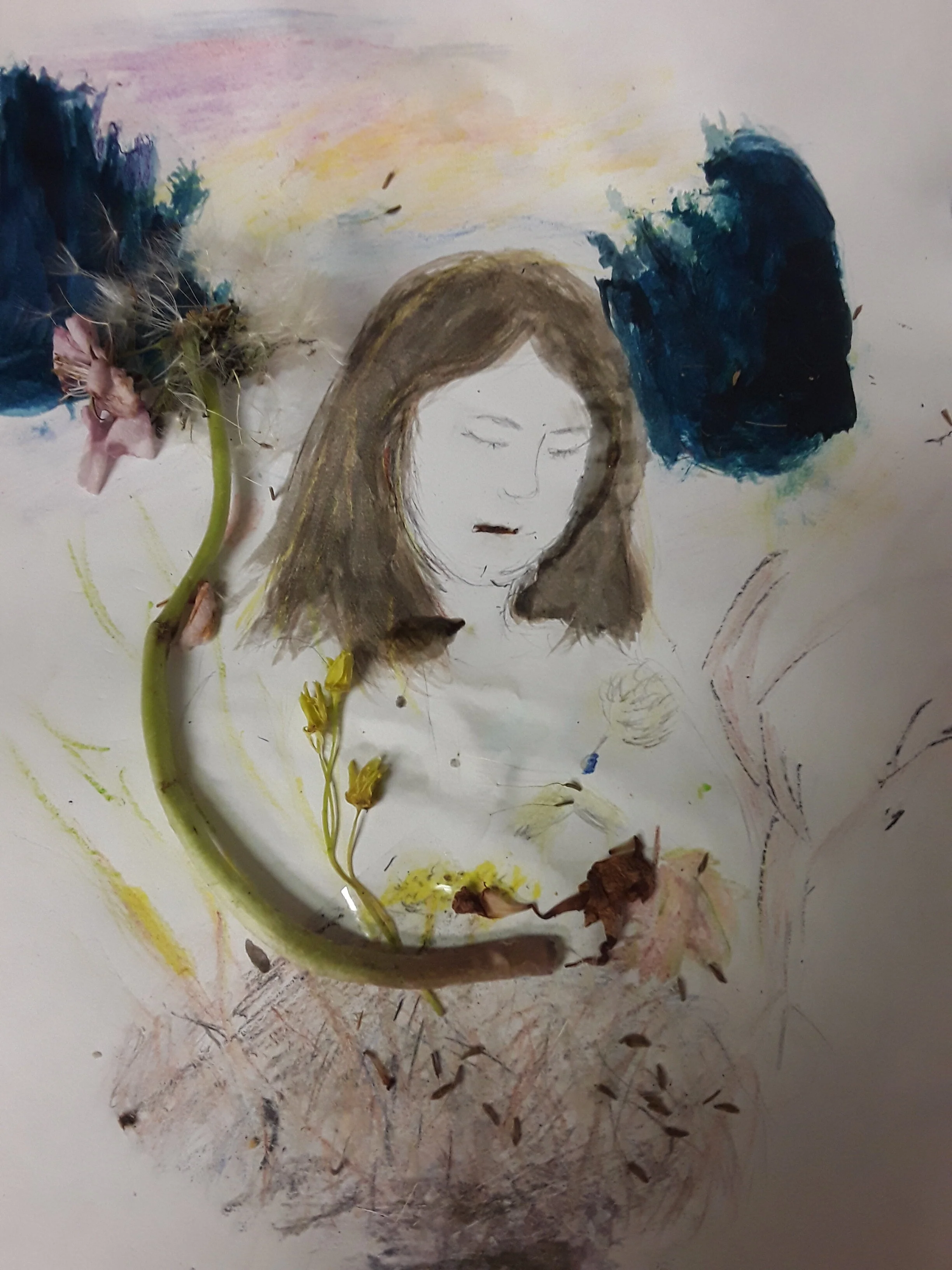
“To think that we could divide our universities up into, on the one hand, “the arts and humanities” and on the other hand, ‘the sciences’ is to think an impoverished thought” (Paul Waldau, 2010). Education has also meant familiarizing myself with a wider range of academic disciplines: what they are, what they pursue. Through the BLUE fellowship, I would like to examine how knowledge has been and is mapped by human beings, and how it may be re-mapped using alternative perspectives (for example, cognitive neuroscience). I am compelled to study some of the philosophy, or the basic assumptions and approaches of academic fields, as well as what vocabulary is shared in their ‘languages’ as they build their theory and communicate them. There are words that are applicable to multiple fields, as well as words that are incorporated from one field to another to form a novel approach. I am interested in studying emerging ideas about deconstructing those boundaries. In addition, I would like to apply systems thinking and the concept of emergent properties to explore the potential of interdisciplinary studies.
Amit Ben-Eliyahu
BA Philosophy
Speak Freely:

There are some topics that no one wants to touch, but everyone seems to argue about anyway: race, gender, immigration, tradition, religion, abortion, and so on. These are charged topics, and discussing them often comes with significant social risk. But at the heart of a charged topic always lies an important social problem which we as a society need to address, and our way of identifying and addressing social issues involves discussing them – in political arenas, in courts, in media, in schools, in academia, and (crucially) amongst ourselves in everyday life. My project aims to make these discussions easier, less painful, and more productive. I will be closely analyzing both good and bad conversations on charged topics in order to understand how and why the conversation goes a particular way. Then, after gaining an understanding of the factors, mechanisms, and patterns found in positive and negative conversations on these topics, I will try to identify ways to avoid the negative routes and pull the conversation towards more a positive and productive outcome. My hope is that I will be able to develop a conversation format that makes it easier to have good conversations about these difficult but important topics.


Shannon Egan
BSc Physics
Using photography to understand the power of fractals
Fractals are structures which exhibit similar patterns no matter how closely you zoom in. I want to explore fractal structure in nature and society through photography, using the images I capture to create educational materials, diffused via a website and photo exhibition. I want to show how the math of fractals can be used to explain everything from the nervous system to computer graphics. I think this project has potential to be impactful for two reasons: firstly, it’s easy to appreciate images of fractal structures even if one does not understand the underlying math; and secondly, I think fractal geometry is a severely under-utilized branch of math that could be crucial for understanding chaotic processes in biology, finance and other fields. I hope to inspire both the public and scientists to think about problems in complexity science through the lens of fractal geometry. This idea leads to some fascinating technological side projects, like developing an open-source algorithm for “fractal image compression”, and designing a camera detector which processes information in a manner inspired by fractals, in order to capture images which break the mold of pixel-based photography.
Cecilia Dong
AI and Depression
There are a lot of misconception about depression. According to a survey, more than 50 percent of the people believe major depression might result from people “expecting too much from life,” more than 40 percent believe it is the result of a lack of willpower, and more than 60 percent said an effective treatment for major depression is to “pull yourself together." People think depression is sadness, and that individuals with depression can simply snap out of it. These misconceptions lead to a lack of caring and understanding towards patients with depression. Because of being worried to be accused of being too weak or acting like a coward, some patients choose not to seek for help. The aim of this project is to raise people’s awareness on depression, to let more people know what it is, what are the patients suffering from, to understand their pain and therefore offer help in the right way.

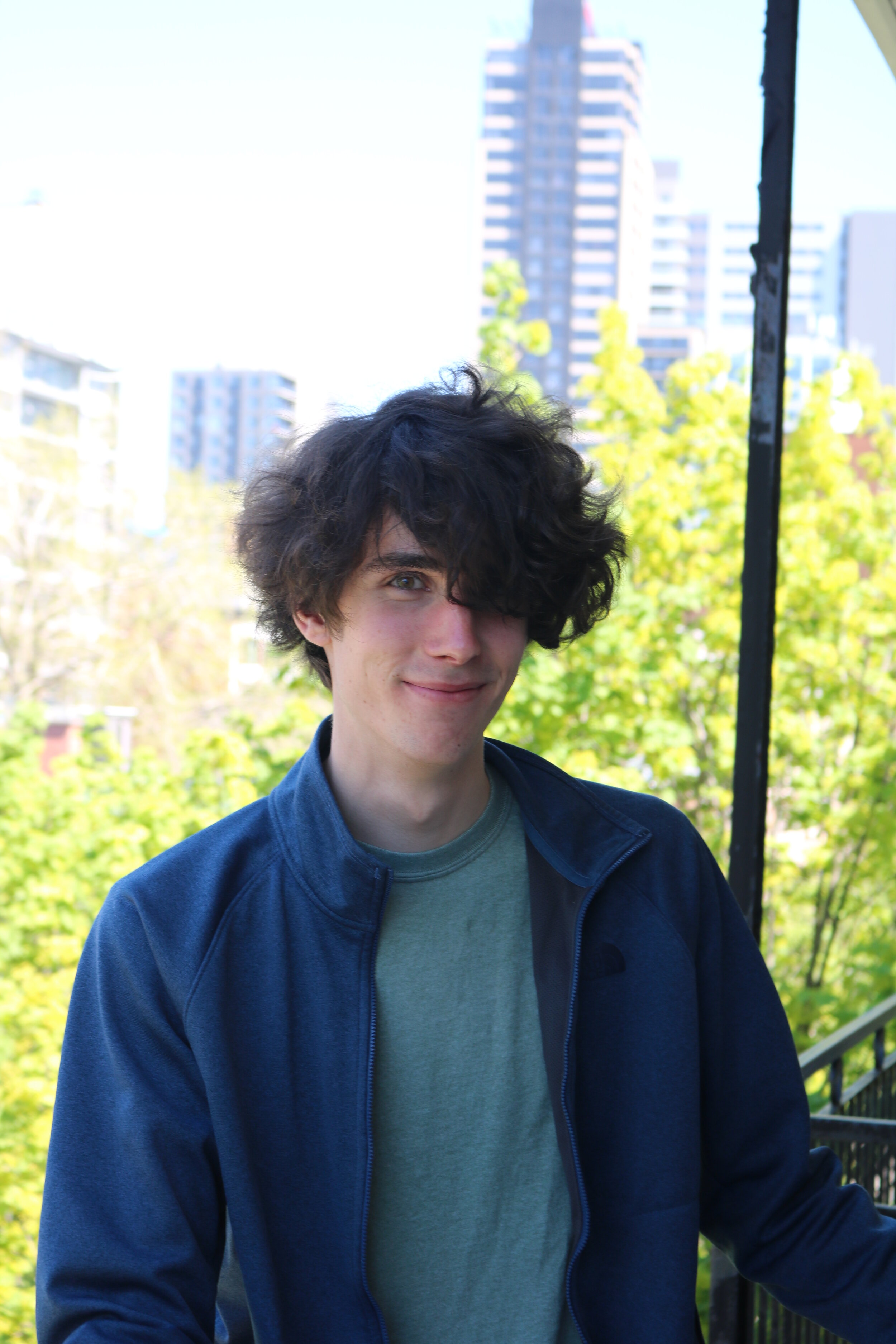

Taj Dyson
BSc Physics
Computation in a Chaotic Universe
At the heart of physics lies the idea that anything can be fully described by its most fundamental parts. A snowflake, for example, is simply a collection of water molecules arranged in a shape. This idea, rooted in reductionist philosophy, is so intuitive that defining it seems pedantic. However, philosophers of science have been questioning this viewpoint since the late 19th century, introducing a counterview known as “emergence.” Emergence is said to occur when something depends on, yet is completely different from, its parts. A snowflake is still made of water, but it has properties which a water molecule simply cannot have on its own. At the heart of my project lies emergence. In particular, emergent computation is especially interesting to me. Simple rules can be said to give rise to emergent systems that have the novel capacity to process information. The computer scientist Christopher Langton found that in order for computation to emerge, a delicate balance of order and chaos must exist — order being needed to store information, and chaos being needed to transmit it. A system placed on this tipping point (known in statistical mechanics as a “phase transition”) would then have the same computational limits as a home computer. In my project, I will explore emergent computation through the framework of statistical mechanics by building computer simulations of simple systems, including cellular automata and Boolean networks.