BLUE Interns, Winter 2020
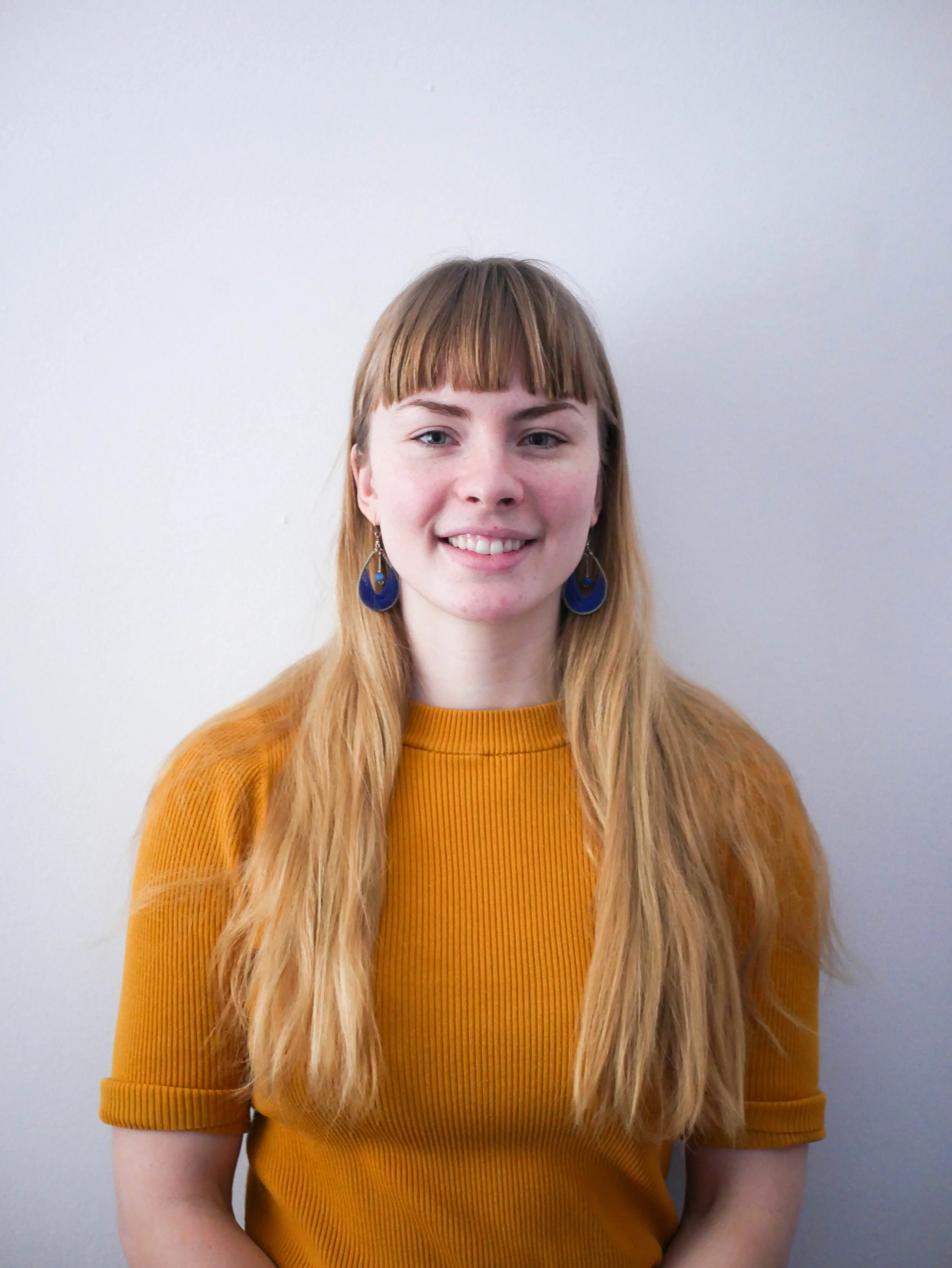
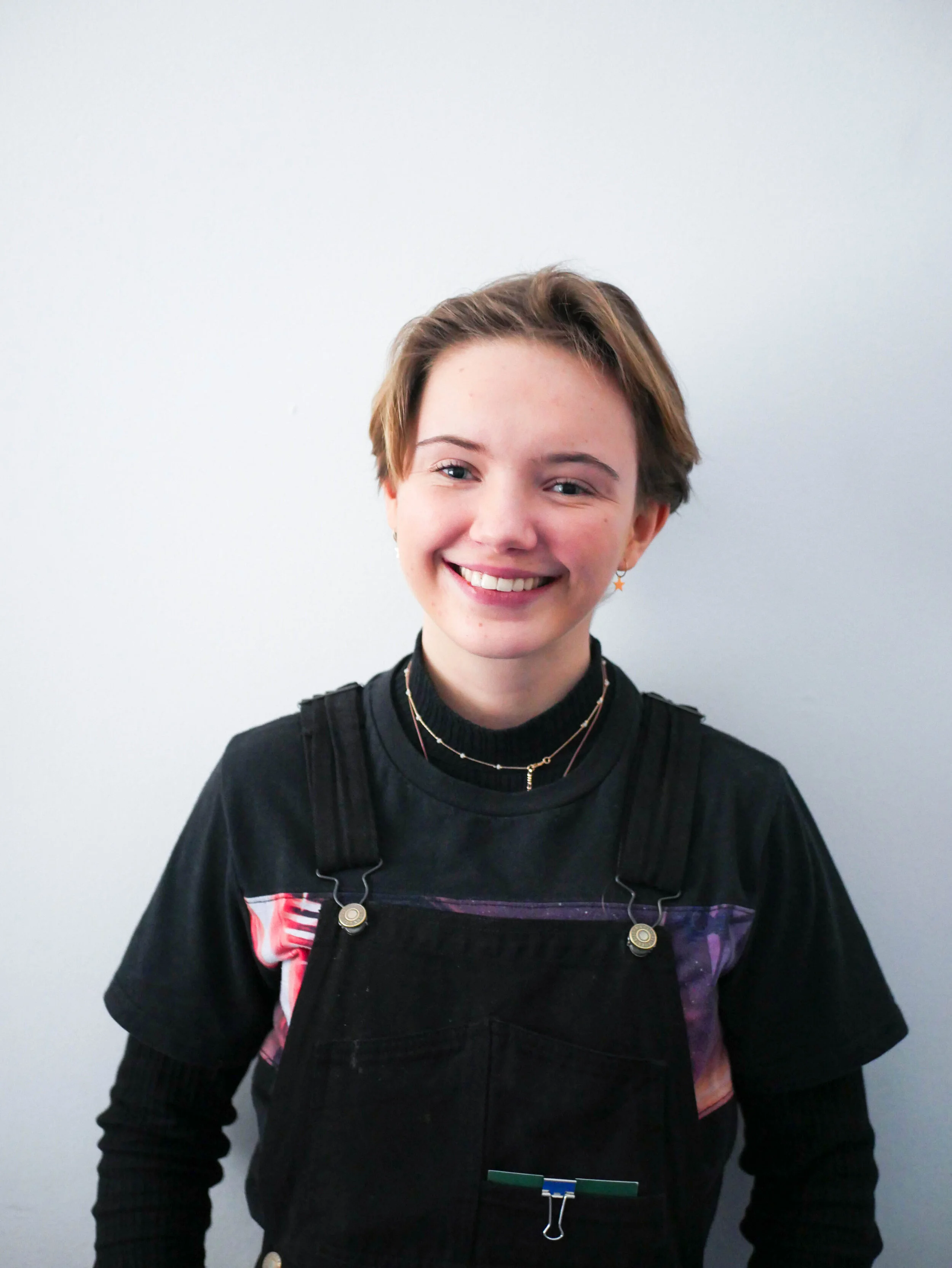
Alyssa Coghlin
Masters of Social Work
I’m a recent Masters of Social Work graduate interested in exploring and emphasizing the connections between (psycho)therapeutic practices, philosophy, feminist/cultural studies, neuropsychology, biology/physiology, and improvisational dance and movement art forms. I’m curious how the language/terminology we use as social workers and helping professionals could be redefined and expanded through gestures and movement rather than abstract written/verbal definitions and assumptions. We speak about therapeutic and emotional processes, but how do we digest the ideas? For example, what really is empathy and how (and if) is it useful as a practice? What space might it occupy between active and passive, as a liminal, affective state? When is it misguided? Might a neurophysiological and even enzymatic, biological understanding of such emotional encounters provide insight into the ways in which we might ‘metabolize’ these experiences? Is there an ‘optimal pH’ for transformational empathy? In what ways would a shift towards embodied, empathetic and artistic/improvisational practices — attuning to our porosity, transference, and sense of self/body— minimize experiences of vicarious trauma and reroute outcomes of moral exhaustion? (Would this include structural and environmental shifts as well?) In asking these questions, I intend to create new practices/workshops founded on my findings as a part of my B21 project!
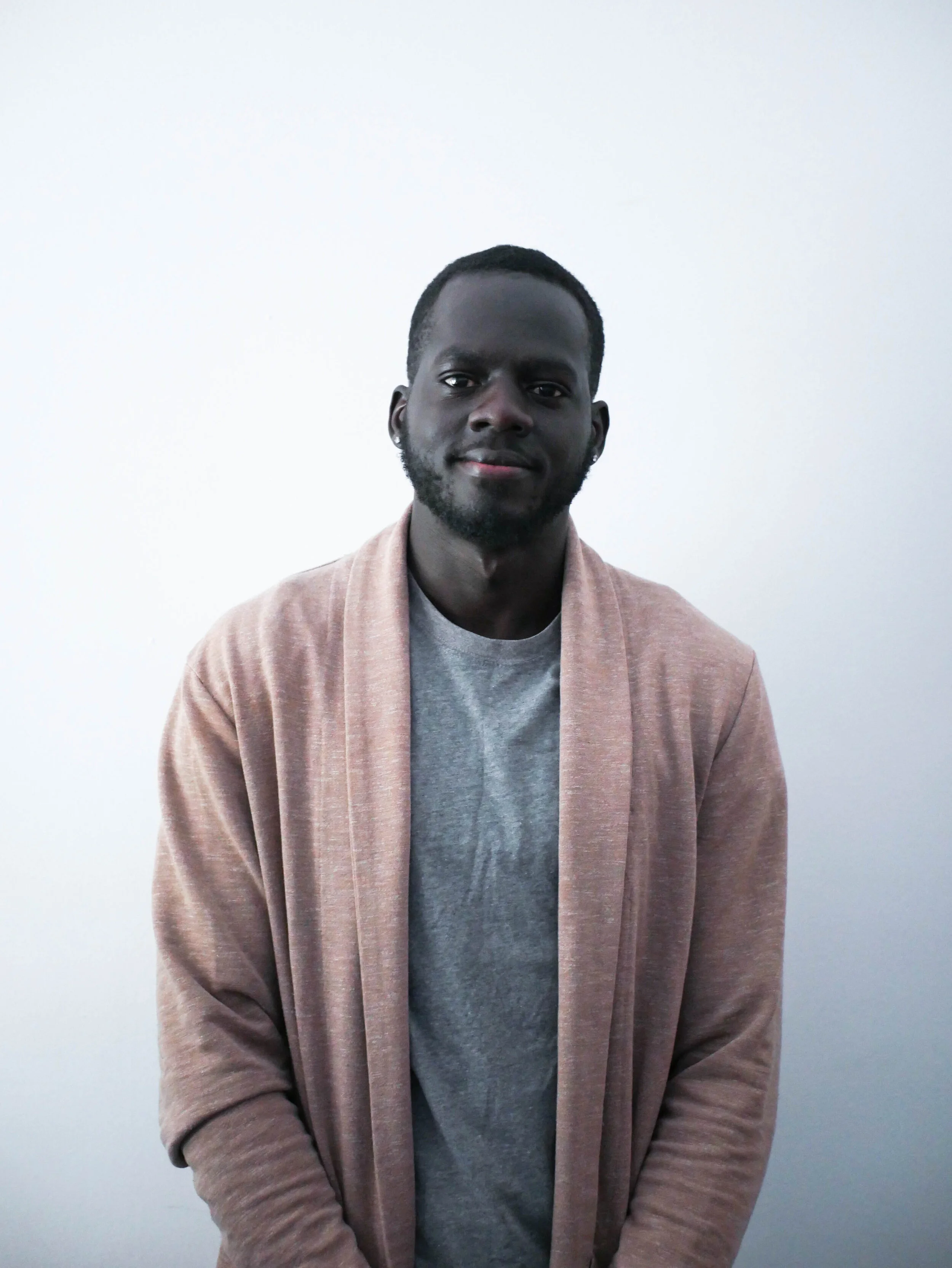
Bior Ajak
BA: Economics and International Development Studies
As a society, we have deep rooted beliefs and values about how we take care of our deceased; from how we physically manage their bodies to how we define respect for their memories and commemorating them. These values are mostly inherited from our religions and cultures and, whatever they may be, they cannot be rationalised through math and science. This project explores people’s relationship with death and associated popular practices such as coffin burial and cremation, and why people opt for one or the other. But with the emergence of globalization, migration and multiculturalism in our cities there is barely any room to accommodate everybody’s burial needs. So, what is the place of our religions and cultures in a society that is becoming increasingly secular, and our value systems primarily based on economic survival?
In a society that commodifies everything, the economic trap of the funeral industry, backed by archaic legal systems, has exponentially increased the cost of death, both on the environment and our pockets. Consequently, most of the population in our cities are too broke to die. If we do not get out of this trap of death commodification, and adopt sustainable burial practices, survival instincts dictate that our current economic and environmental limitations will override whatever religious and cultural beliefs we have left in showing respect for the dead. This has been witnessed in Singapore, Hong Kong China, parts of Europe and North America, experiencing shortages in cemetery spaces.
The main goal of this project is to highlight the economic and environmental dangers of increasing commodification and commercialization of death in our cities, and how we can embrace sustainable after-life practices that ensures respect for the bodies and the memories of the deceased, in line with our religious and cultural beliefs.
Watch Bior Ajak’s final presentation:
Cordelia Dingle
BA: Environment & Geography
I am an Environmental Development and Urban Systems Undergraduate student with a deep interest in human-earth relationships. My Building 21 project aims to answer the question: What could a post-consumption city look like? The cumulative component is to host a dinner party set in an ideal version of Montreal, fifty years from now, where we’ve overcome the environmental crisis and a world shaped by massively-disruptive AI. Why host a dinner-party? Well, this project aims to create a narrative of hope for our future by having wildly different groups looking eye-to-eye to create a discussion of how we want to harness the technologies and current global trajectories to create a more beautiful and healthier city. The goal is to fill the void left by only focussing on zero-sum narratives and to get as many residents of Montreal from as many walks of life and sectors of expertise at one table. The dinner party is only one component of a project that will curate a body of work and events, including interviews, artistic renditions, pot-lucks, and finally the post-consumption dinner party to begin dying the threads that make up the tapestry of stories of what Montreal could look like in 2070.
Watch Cordelia Dingle’s final presentation:
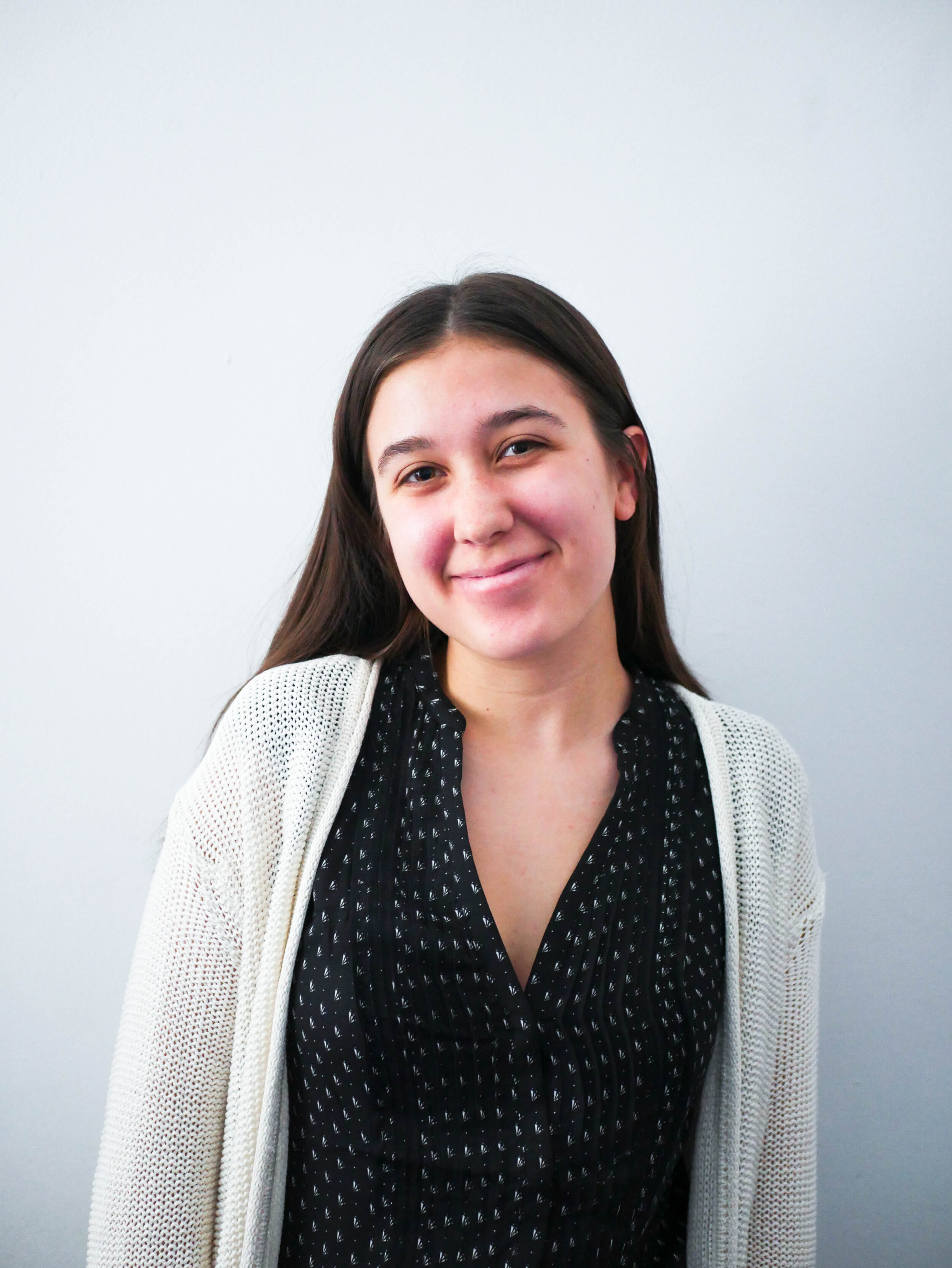
Lauren Jelinek
BA: Geography
I am a third-year undergraduate student at McGill studying geography with a fascination of urban systems and issues surrounding land rights and (forced) migration. My project aims to delve into the dynamics of urban planning and policy in the refugee camp-city space in the modern era of mass migration across a multitude of continents. As many refugee camps grow and transition into city-like entities, they have visibly exhibited similar features to that of growing urban spaces (like instances of refugee camps hosting elections, starting local businesses, and residents living there for multiple decades). However, there often seems to be a lack of conventional urban planning and policy approaches, suggesting an apparent disconnect between municipal spaces and camp-cities. My goal with this project is to investigate how urban space is defined in relation to refugee-inhabited settlements, and what factors come into play in restricting refugee camps from being recognized as, and treated like, conventional urban spaces.
Watch Lauren Jelinek’s final presentation:
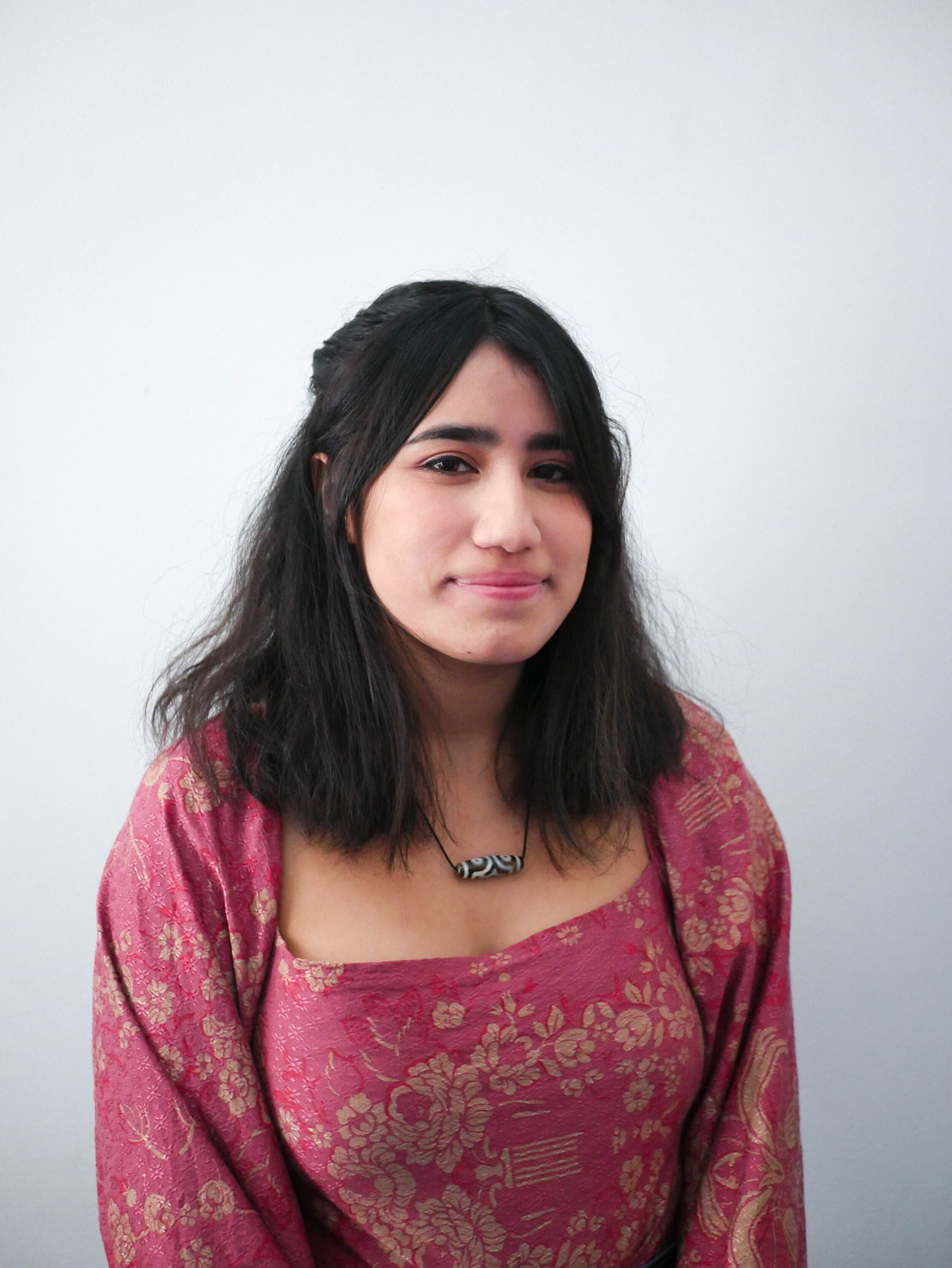
Khando Langri
BA: Joint Honours Anthropology and Political Science
During my time at Building 21, I hope to investigate the following: How does one write on the things that hurt? Things that hurt in a kind of hurt that is visceral and apocalyptic; a hurt that haunts and makes us see what Dumit calls “the intolerable in the everyday.” My name is Khando Langri and I recently completed an undergraduate degree at McGill in Anthropology and Political Science over the course of which I developed a strong interest in embodied knowledge and human geography. My project struggles with and against form in order to understand the act of self-immolation in the Tibetan community. As a Tibetan, I have long been interested in thinking about self-immolation through the lens of space given that it spatializes trauma; a movement which has tremendous impact on collective understandings of self and place in a time of seeming placelessness. Gathering affective fragments I have encountered over the years and unwittingly collected (namely photographs and poetry), I will work through desire as methodology in order to tease out an analysis arguing for landscape as archive and the body as geographic.
Helen Tucker
Bachelor of Civil Law / Juris Doctor
All of the land in Ontario is subject to treaties formed between the Crown and Indigenous peoples between the late-18th and early-20th centuries. For the Indigenous peoples who entered these treaties, they symbolized the beginning of permanent relationships of co-existence. But what relevance do historic treaties have for non-Indigenous Canadians in Ontario today? I recently completed my studies in law at McGill and am about to start my term as an articling student with the Ontario Ministry of Energy, where treaties and their impact on Ontario’s energy infrastructure is a matter of constant awareness and impact assessment. As a BLUE intern, I will be working with VR technology to create a multimedia experience that can capture the essence of treaties’ ongoing relevance for a non-legal audience.
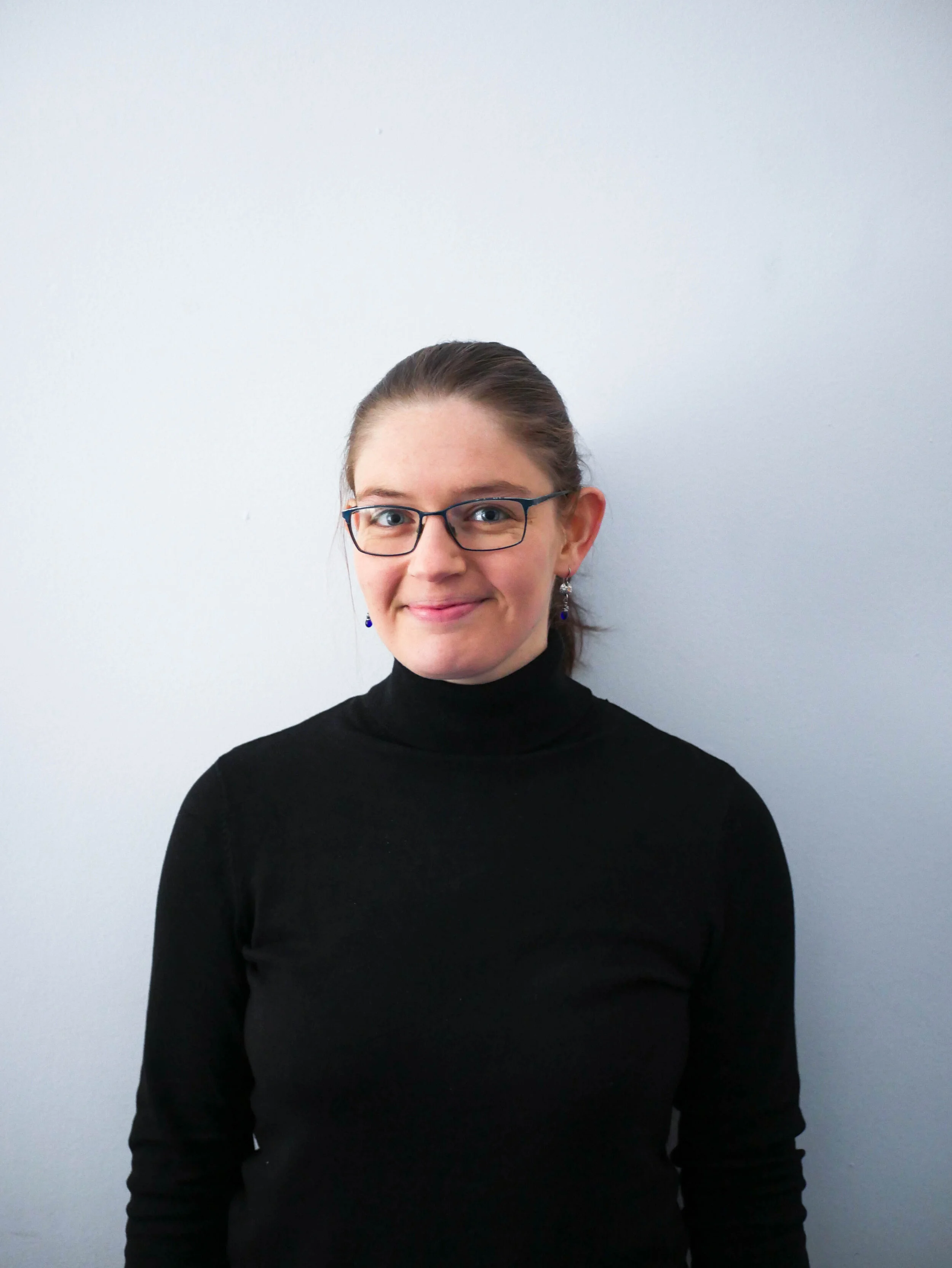
Alexander Dieplam
MA: School of Religious Studies
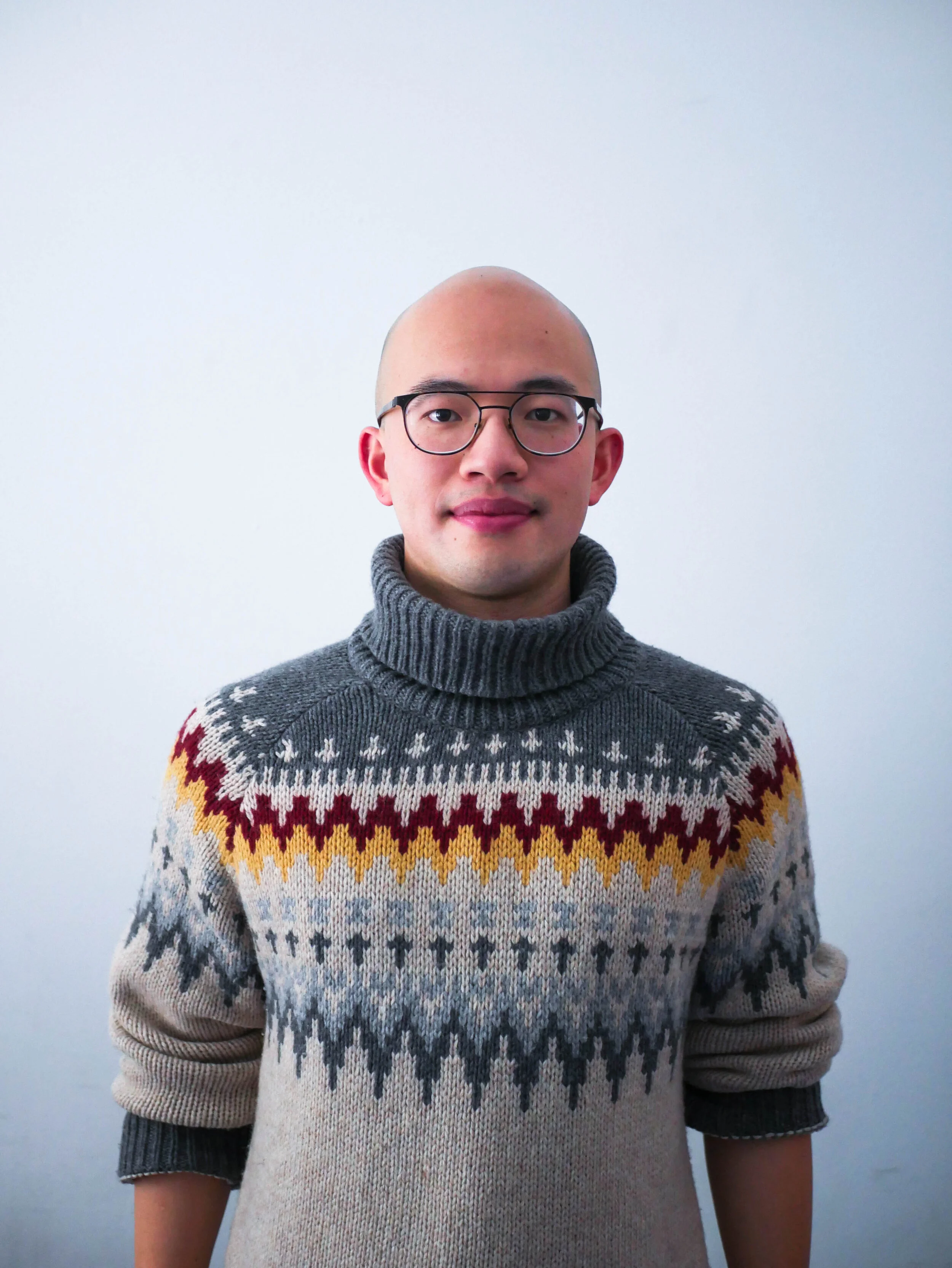
How can we best approach the multifaceted nature of Buddhist traditions within the confines of academia? I am an MA student in the School of Religious Studies at McGill, and my project explores the theme of "discipline" present in Buddhist discourses throughout time and space. I will draw from a variety of sources, ranging from Gandhāran inscriptions to postmodern treatises, and examine how they interact with one another to shape our perception and understanding of Buddhist traditions.
Christian Gonzalez-Caprizi
BA: Arts and Science: Physics and Philosophy
Is there any way of grounding our morality without arbitrarily assuming some primary value in the first place? I believe one way of doing so is to realize the following curious observation: by virtue of entering into an earnest dialogue which aims at uncovering some truth, both participants implicitly assume the constraints of the demands of rationality. This is an assumption all of us are taking for granted, explicitly or not. The cash value of this realization is that there are some principles of rationality that restrict which moral values we can coherently select. One principle of rationality I think might lead to a fruitful research project is what I call the principle of no self-defeaters. In other words, any set of moral values whose faithful practice leads to its own demise is a set of moral values we cannot rationally, and therefore, coherently hold. This is where I think computation may lend a helping hand to philosophers. Agent-based models have compared population sizes in a competitive resource scarce environment and have found altruism and egoism to lead to self-destructive populations; thus, I maintain, ruling them out as moral values. I would like to go a step further and simulate other, more complex moral systems in similar agent-based simulation environments to see if other popular moral theories are also self-defeating.