2021-2022 Scholars
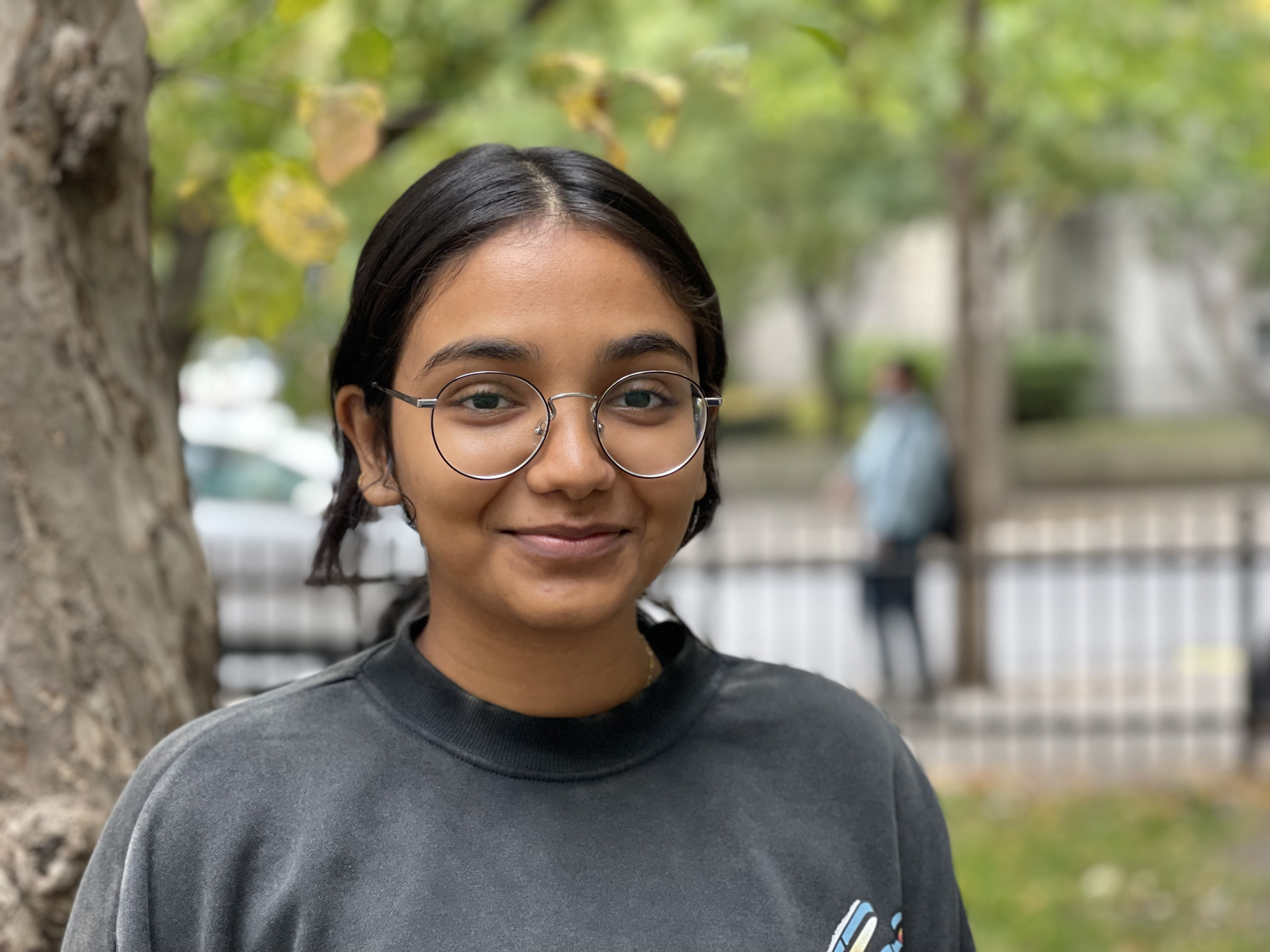
Sehrish Ahmed
Fall Semester
BA Economics and Mathematics
I came into B21 with the desire to explore economics stripped back as just the study of human incentives and choices. I am interested in how the concept of complementary currencies can be used to create incentives for ‘socially beneficial’ behaviour in a system of people. I’ll be exploring how this may be implemented within the McGill community to perhaps facilitate increased knowledge sharing, collaboration, or volunteering efforts.
Trisha-mae Capistrano
Fall and Winter Semesters
BA Social Work
In social work, we learn that trauma forever becomes a part of someone. It never goes away; individuals simply learn to work it into their reality. I want to explore what exactly it means when we say trauma becomes a part of someone, looking specifically at the visible, long-term impacts on brain structure and chemistry and how this also impacts one's cognition for the rest of their lives. In addition, I will look at the neurobiological mechanisms that underlie resilience. Traumatic experiences are often drivers of resilience - they can inspire people to, for example, help others or challenge systemic issues in large-scale ways. Connecting the knowledge from these two ideas, my project will centre on exploring if the neurobiology of trauma and the neurobiology of resilience can be linked to find out why some people who experience trauma are driven to be resilient and thrive, oftentimes in extraordinary ways.
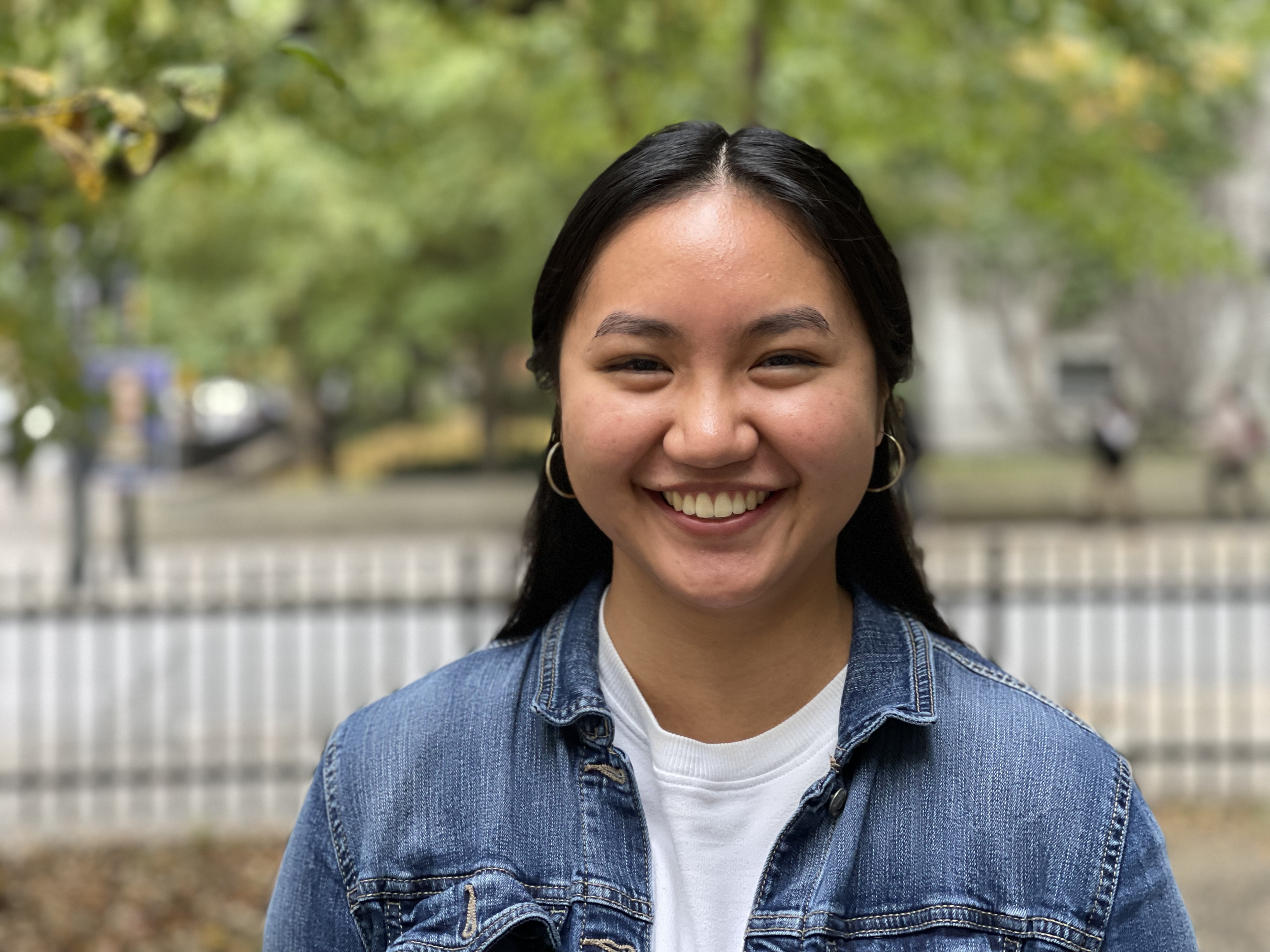

Émile Chamberland
Fall and Winter Semesters
LLM Law
Fungi and the Mind
What do mushrooms have in common with the human brain, the internet, or a city? I will explore the underworld of fungi and how these organisms solve problems, shape their environment, and adapt to change. I am curious about the displays of “intelligence” that emerge from mycelial networks and what they share with other complex systems such as communities of social insects or human societies. Hopefully, my project can provide insight into the way human beings understand themselves and their mind as a part of larger entities, including nature.
Léo Goutte
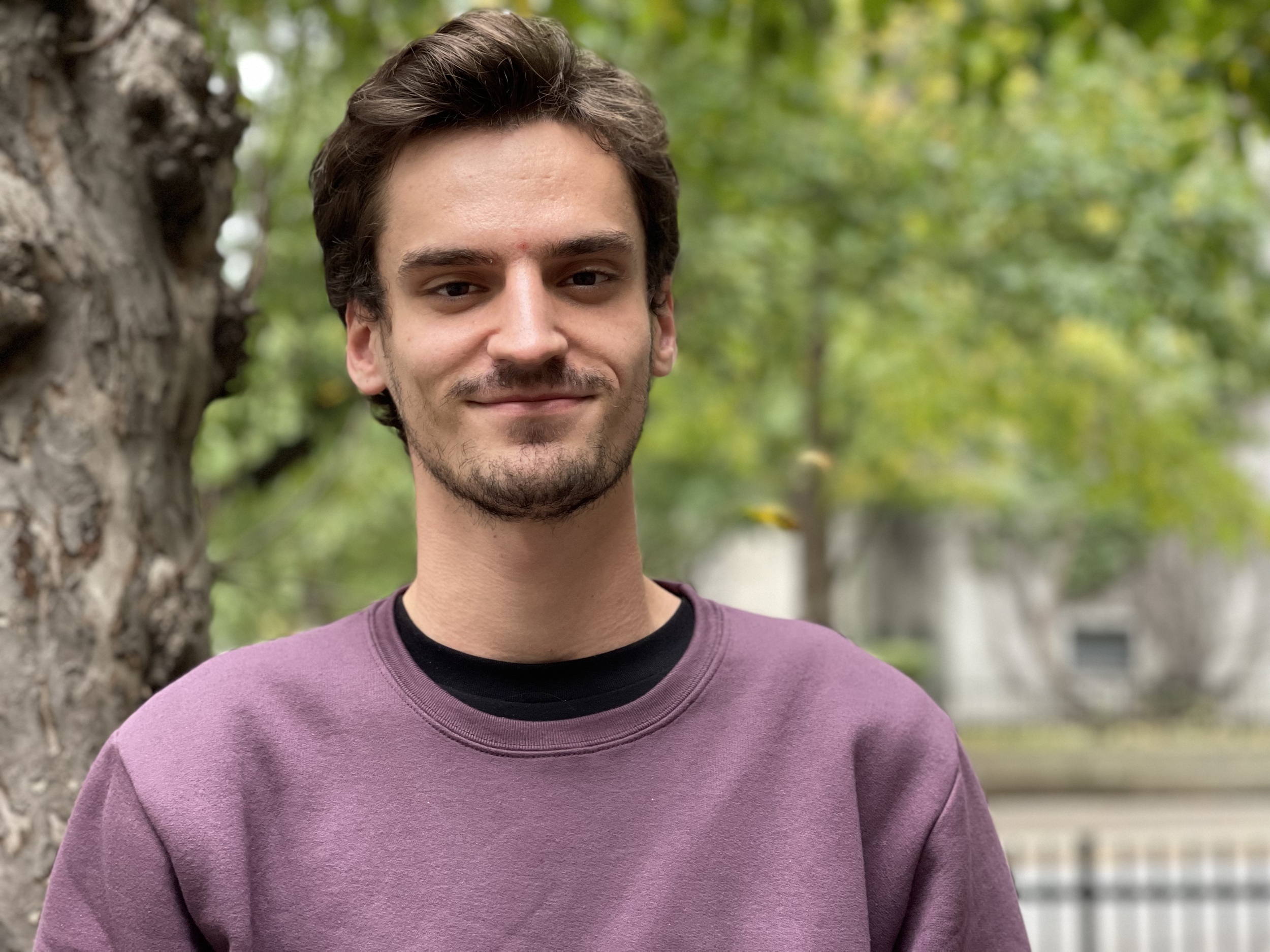
Fall and Winter Semesters
MSc Physics
Why is the quantum nature of our world so inscrutable? Why are we, as humans, so ill equipped to understand it? By relating universal concepts on classical and quantum scales, I hope to find ways of gaining meaningful intuition about the inner workings of nature.
Building Intuition for the Unknown World of Quantum Mechanics
I was initially guided by the results of a fascinating experiment where silicon droplets were found to exhibit quantum mechanical behavior: single-slit interference, quantum wells, exponentially decreasing probabilities, the whole nine yards. This suggests that we may be able to model quantum mechanics with a simple tabletop experiment by allowing ourselves to draw comparisons and analogies between the two worlds. My initial question was then: what more can this setup teach us about other, perhaps more intricate, and subtle quantum phenomena? As I delved into this question and explored its surroundings, different paths and curiosities appeared. For instance, what does this tell us about renormalizing theories, i.e. going from the world of small things to the world of big thing? Where in this process do we trade the probabilities of quantum mechanics for the chaos of classical mechanics? How is this analogy between the two realms limited, if at all? Drawing any definite conclusion is, of course, impossible, but I tend towards seeing this silicon droplet for what it is: a way to model quantum mechanics with fluids. Anything else is just a cherry on top of the sundae.
Final Question:
What are the limits of the analogies between quantum and classical worlds?
Angelina Guo
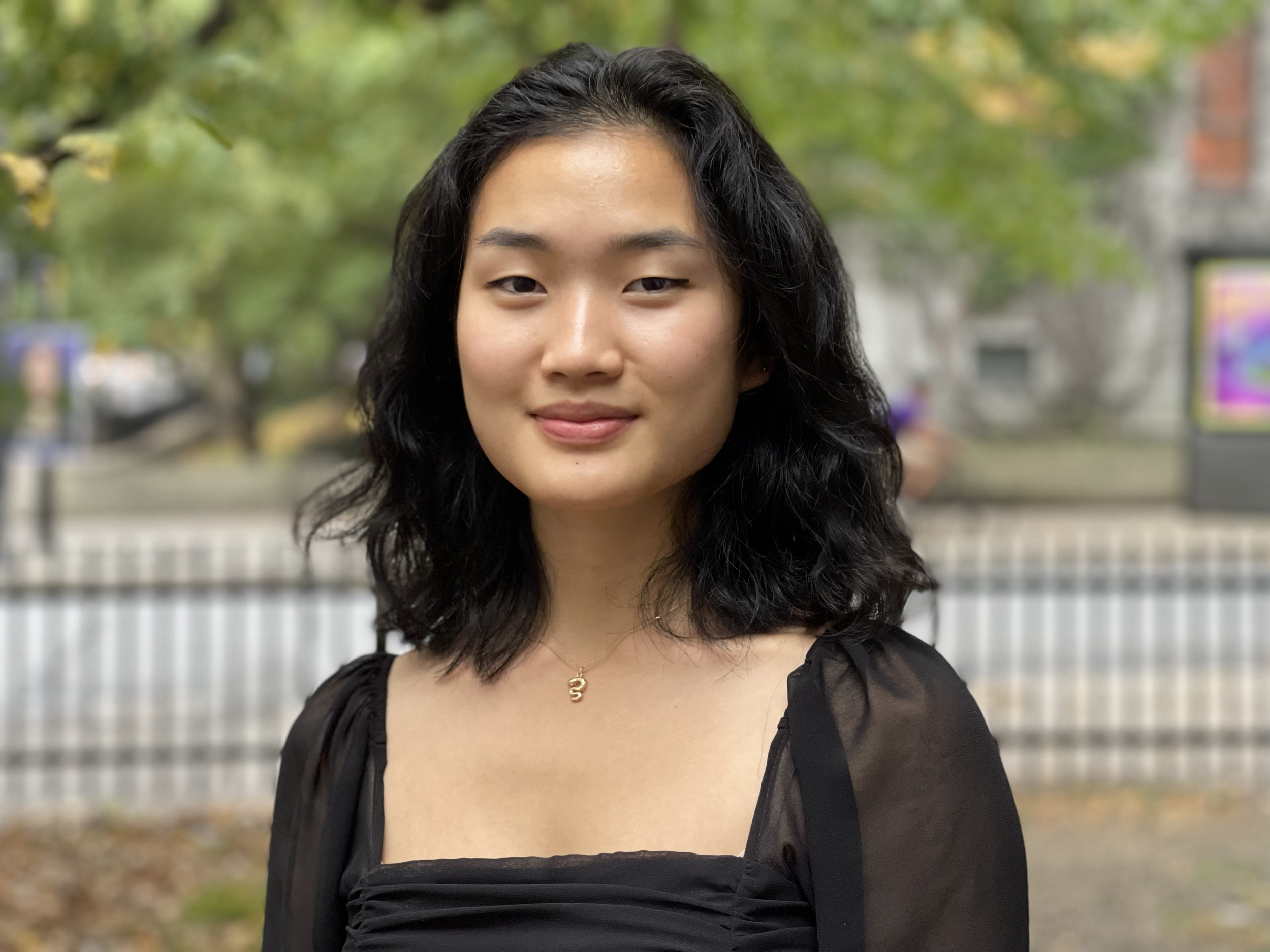
Fall and Winter Semesters
BA French Literature & East Asian Studies
I’m interested in the mechanics of poetry and the limits of language, particularly in the context of migration and the Asian diaspora in Quebec. I will be exploring multilingualism, French-Canadian poetry, literary theory and autobiographical fiction—with a focus on what is called “women’s literature” to fuel my own curiosity related to the effects of growing up in a culture entirely removed from one’s parents’.
Multilingualism and Self in Poetic Work
When I first joined B21 in Fall ‘21, I was curious to know whether multilingualism and translation, in tandem with the medium of poetry, could bring me closer to an answer regarding my Chinese heritage. How do diasporic communities define their homeland? How can I bridge the gap between French and Mandarin Chinese? Though I haven't found a definite answer to these interrogations, I've settled on the fact that this identity, like any other, is in constant evolution. I have however found that bettering my Chinese has granted me access to sides of my family I hadn't been able to see before; language, though insufficient, can still bring us closer in some measure. Engaging this language in my poetic practice has also allowed me to feel a sense of balance and rekindling with my parents' culture.
Final Question:
How does one put words on a very particular and ineffable experience? As my interests have shifted from work on diasporic identity to gender-based violence, I want to transpose my interrogations on language to trauma and further my understanding on how words can either empower or strip someone of their agency. I hope to pursue this fundamental question in my graduate studies, and feel very privileged to have been able to lay the stepping stones during my time at B21.
Iris He
Fall Semester
BA&Sc Cognitive Science.
I am interested in the behaviour and cognition difference between “intrinsically motivated” individuals and “extrinsically motivated” individuals. How do people from different cultures define intrinsic values and extrinsic values differently? What factors do they consider when they categorize themselves as “intrinsically motivated” or “extrinsically motivated”? What do intrinsically/extrinsically motivated individuals consider when they make career decisions?
Prateek Pravin Humane
Fall Semester
BSc Honours Computer Science
I am going to explore making NFTs that merge with each other into an NFT which is unknown to the network, while still ensuring there is trust that merged NFTs have value.
Cole Killian
Fall Semester
BSc in joint honors math and computer science.
My project is centered around the "effective" coordination of online organizations. More specifically I will be investigating DAOs (Decentralized Autonomous Organizations, a structure recently been enabled by blockchain technology) and the types of properties they enable which were previously unavailable to online organizations
Xingti Liu
Fall and Winter Semesters
B.A Psychology and minor in anthropology and behavioral science
What is intuition? Why does it exist? Where is it in our cognitive brain? Why do individuals seem to differ in the ability/tendency to use it (in terms of personality)? To what extent should we trust our intuition when making decisions (academic multiple choices, moral decisions, life choics...etc)?
Zhuo Li (Charles)
Fall and Winter Semesters
BA Classics
I’m trying to find a “first-philosophy” which serves as a navigator/map of the world of philosophy. Such map helps us to explore the philosophical world by wrapping up the known and pointing to the unknown. I will start with Levinas’ philosophy called “being in the world”, checking if it is a good first-philosophy that brings different branches of philosophy together. Also, I’m interested in building a system of symbols that better describe abstract ideas, like “an auxiliary language of philosophy”.
Ontological Exposition of Emotion
My initial goal was to look for the new possibility of Metaphysics. That is a huge task and I need to start with something more specific. I encountered the ontological question of emotion when I found out that Homer's Iliad begins with 'anger/wrath' and that emotions as 'love and shame' also play an essential role in Apollonius' Argonautika. (Emotion is a very complex pattern, rather than a simple occurrence.)
Aristotle contends that metaphysics should deal with "the first causes and the principles of things" (Aristotle, MP, Bk 1). Therefore, I decided to approach this question by combining classical literature with philosophy, in order that I may investigate the true shapes of emotion.
Final Question:
Philosophy should be concerned with the very nature of things rather than the appearance. My question is -- what is the basis/proof of the existence of emotions?

Sumali Mehta
Fall and Winter Semesters
BSc Biochemistry
In recent years, anti-aging research has emerged as a topic of great interest in the medical field. Increasingly, scientists are convinced that again, while a natural phenomenon, can be thought of as a disease which can be treated or even cured. I am interested in studying human aging and the prospect of immortality through the utilization of artificial intelligence. What role can AI play in human aging? If such techological advances persist, can human immortality be one day become a reality? What are the implications of this in the context of being human? I will be trying to address these questions through the potential applications of AI in genetic, cellular and stem cell manipulation.
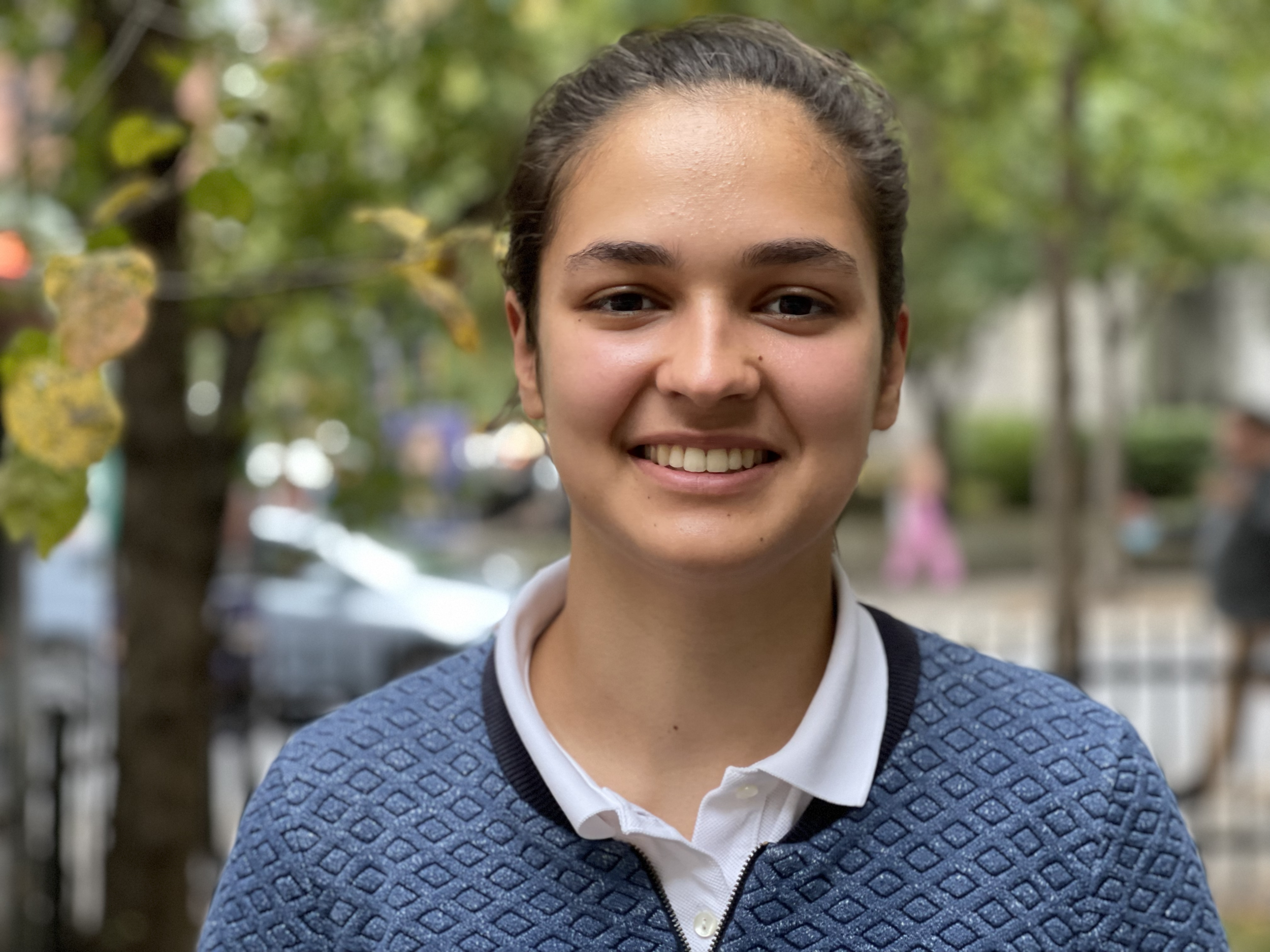
Viola Ruzzier, Scholar and Program Assistant
Fall and Winter Semesters
BASC, Anthropology and Biology
Scientific writing has, through conventions and concerns about objectivity, gotten rid of many of what I consider the most important aspects of good writing -- narrative, style, and voice. Illustration, though once a prominent feature of scientific reports, has also been mostly removed from the field. I aim to create a magazine that talks about science while maintaining those key elements of writing that have been dismissed to the literary realm, as well as illustrations, comics, and other art forms that are no longer traditionally used in scientific texts. I can think of no reason why something can't be as seriously researched and discussed as in an academic journal while at the same time being enjoyable to read, which is what I will try to create while at BLUE.
Agnès Totschnig
Fall and Winter Semesters
BSc Math and Computer Science
Do you know that feeling of intense focus on an activity, that absorbs all your attention to the point where you don’t notice time passing anymore? I want to explore the factors which allow mathematicians to enter a state of flow, as well as other aspects of mathematical activity that can make it so enjoyable. I am hoping to apply my findings to develop an alternative approach to mathematics education, which focuses on the intrinsic motivation and curiosity of the students to cultivate happiness through mathematics
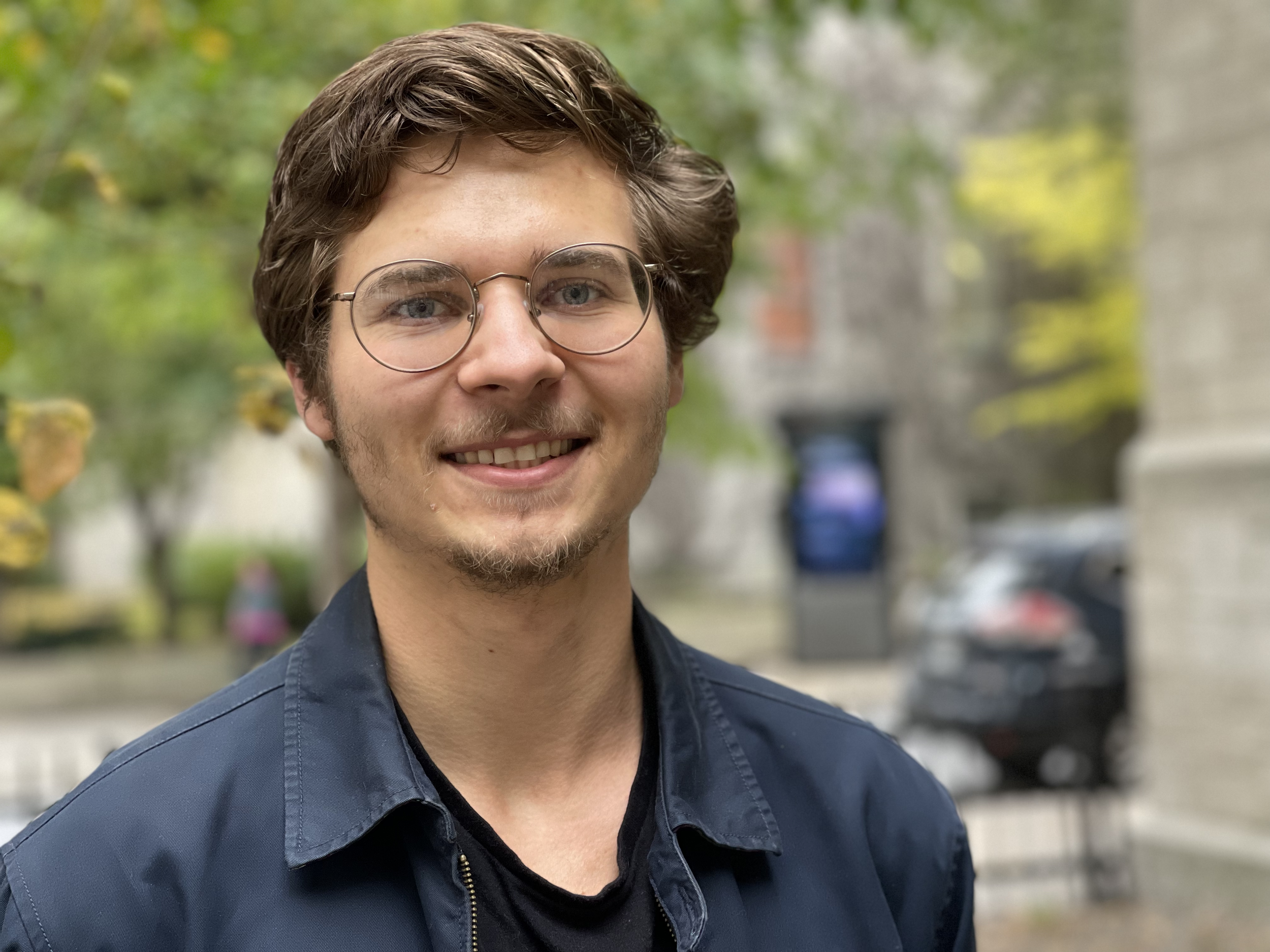
Darius Valevicius, Scholar and Program Assistant
Fall and Winter Semesters
MSc Neuroscience
I am creating a virtual environment, with parameterized light, color, and sound, which learns about and influences cortical brain rhythms. Using an EEG recording cap, I will study how features of the virtual space affect different EEG frequency bands and build a model that selects the optimal combination of features for promoting different bands, such as high frequency (beta) and low frequency (alpha, theta) rhythms.
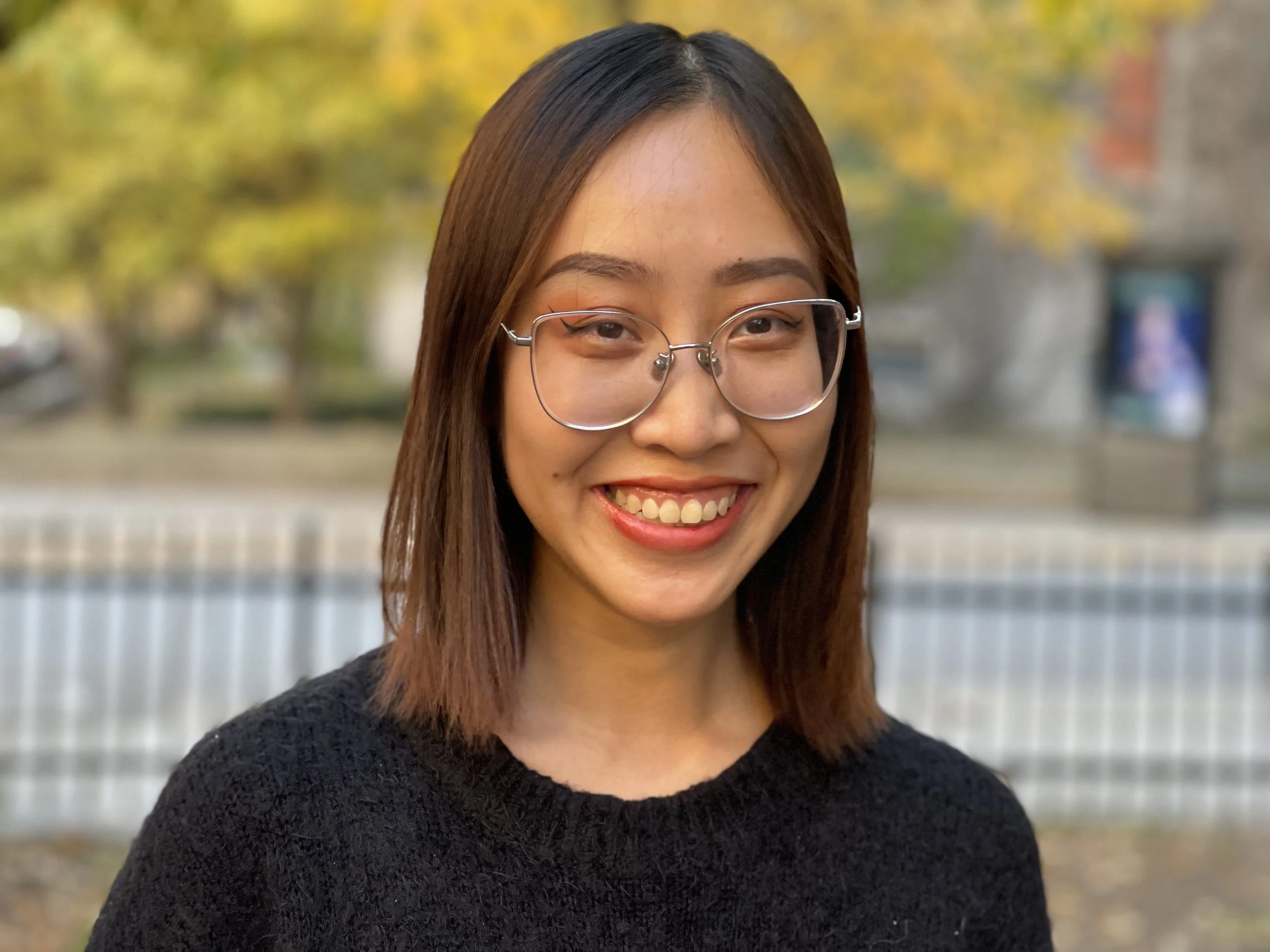
Yunjie Zhang
Fall and Winter semesters
BA&Sc Cognitive Science
I'm interested in personality. Who am I? How did I become who I am? How did everyone become who they are? Are there any common grounds between HEXACO/Big Five and other personality theories such as MBTI/Enneagram/Socionics? Is there any neurobiological basis behind these theories? What are the relationships between different types of intelligence and personality? What are the causes of personality disorders (such as BPD/ASPD)? How would neurodevelopment disorders (such as ADHD/Autism) influence our personality?... By exploring these questions, I want to develop a comprehensive personality theory that explains who we are and how we become who we are.
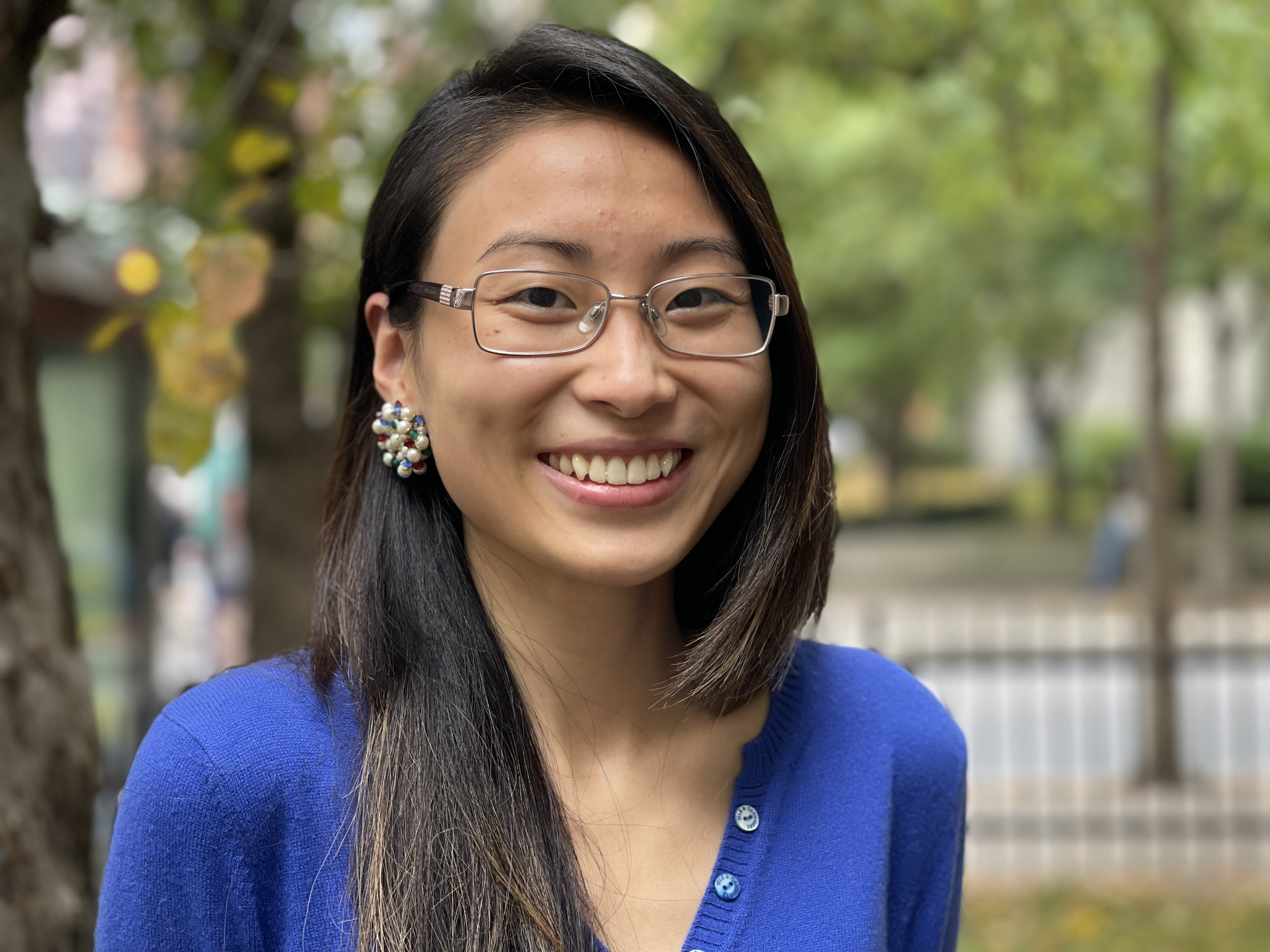
Huirui Zhang
Fall and Winter semesters
BA English: Drama and Theatre & Art History
I want to explore outside the literary boundary of theatre (broadly speaking, performing arts) and jump into an intersection with cognitive science in investigating the complexity of "touch-based" engagement one received in in-person performances. What does the two-fold feedback loop formed between performers and spectators look like if shown on the cognitive level? How our brain makes us feel "relatable," "immersive," or "real"? How could we even measure it? I am looking to play with the value of physical presence, relationality, and immersive experience in both physical reality and virtual alternatives.

Yigu Zhou
Fall and Winter semesters
BSc Neuroscience
(2021 NeuroTechX competition) software prototype of a visual Brain-Computer Interface for communication using EEG signals and eye-tracking.
Delia Bretan
Software Engineering
Look Mom No Hands:
The Autonomous Car Project
We are the team representing McGill University and one of two representing Canada in the international technical competition "Bosch Future Mobility Challenge." Over the next 5 months, we will design a self-driving car that will navigate in an environment simulating a miniature smart city. Our vehicle will traverse a complex real-life map that includes highways, national and city roads, ramps, and parking spaces, all while obeying traffic lights, signs, and lane markings. Our car will also avoid colliding with pedestrians, other vehicles and obstacles.
We look forward to this challenge!